The story of Eforit begins in a time when Finland was still recovering from the aftermath of war. Work was not easy to find, but difficult times also gave rise to bold ideas and a new kind of entrepreneurial spirit. In these circumstances, Kirsti and Torsti Virta, together with bank manager Pentti Hiltunen, decided to establish a company named Oy Eforit Ab. The company was founded on March 20, 1963.
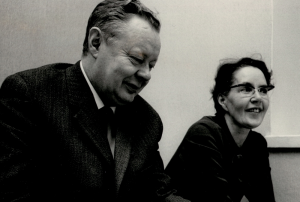
The company’s line of business initially included the import of electrical supplies and publishing. Its first premises were located in central Helsinki, in the same building as the Finnish Club. In its early years, Eforit reflected the spirit of the time—ingenuity with a touch of joy. Post-war Finland longed for light and spectacle, and there was demand for running color light strings. The company also published detective novels and card game books for families. Later, the product range expanded to include Kirsti textiles, whose patterns showcased the craftsmanship and lace designs of Torsti Virta’s mother, Hilda Virta.
Although the beginning of the business was promising, life gradually led the founders to other roles. Torsti Virta worked first at Talouselämä magazine and later at the National Board of Navigation, and as his workload increased, entrepreneurship took a back seat. Eventually, Eforit was shelved for years, waiting for a new chapter.
The Dream of a Company Lived On
In the 1970s, Eforit’s story was given a new opportunity. Soile Jaakkola and Lauri Virta got married, bringing a new generation into the company—one with a strong desire to build something of their own.
Lauri had always been interested in chemistry and technology. He studied engineering and later worked as a developer in printed circuit board technology. Soile studied first at the Ateneum evening school and later graduated in business from Espoo Business College. She worked in advertising and marketing for major Finnish mail-order companies, advertising agencies, and later for a long time in marketing at Sanoma Oy.
A decisive moment came when a notice arrived from the trade register stating that Oy Eforit Ab would be removed unless its operations continued. This prompted Soile and Lauri to keep the company alive. When previous owners and heirs gave up their shares, they passed to Lauri. Soile’s father, economist Erkki Jaakkola, took on the role of accountant. A long-held dream of entrepreneurship began to take shape.
The 1990s Brought a New Direction
When Eforit was relaunched, its operations gradually found new focus areas. Surface treatment services and advertising design and copywriting became central. Soile also imported Provençal textiles and metal products for sale, but over time it became clear that surface treatment was the company’s true strength.
Family life, salaried work, and building the company went hand in hand for years. Work was done in the evenings, on weekends, and during holidays, often with support from grandparents. At the same time, a strong family business foundation was formed: working together, trusting each other, and building something lasting.
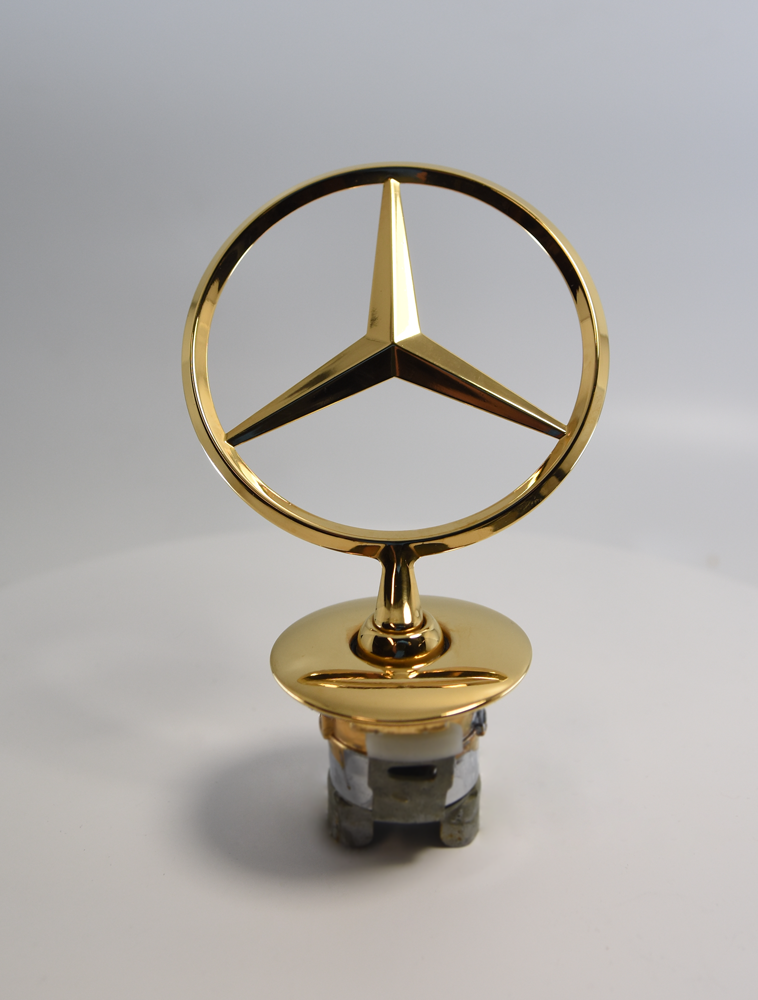
One of the most significant turning points came when a friend and colleague of Lauri mentioned that a client, Neles, was looking for a gold plater for stainless steel skate blades. This led to the development of a gold-plating process, and now over 42 years of work on unique skates has become part of Eforit’s history.
During the 1990s, Eforit Oy was also active in professional associations. The company has long been a corporate member and active contributor to the Finnish Galvanotechnical Society (SGY). Lauri served on its board for many years and also as chairman, giving presentations on gold plating, silver plating, nickel plating, and the effects of magnetism on tinning. Today, a new generation continues this involvement.
A Path to Space Technology
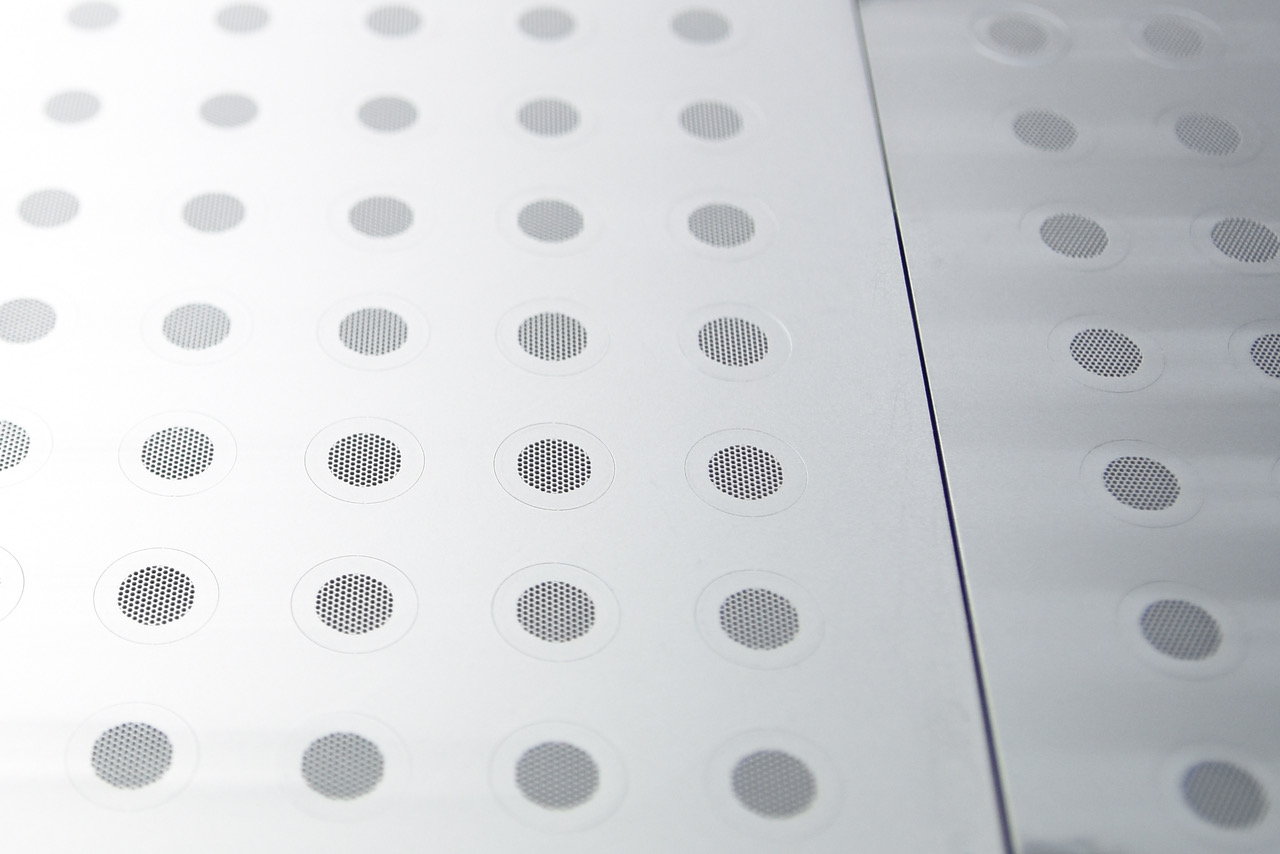
One of the most exceptional chapters in Eforit’s history is its work in space technology. VTT’s Space Technology Laboratory sought a Finnish expert capable of performing demanding electrolytic gold plating on hemispherical aluminum components. Eforit was ultimately selected for the project.
Lauri and Ville, who had trained as a technician, completed the work successfully, and it became a great source of pride for the company. Later, Eforit has been involved in coating components for other space programs and research applications. A selectively coated stainless steel component even traveled to Mercury aboard the BepiColombo mission. Work carried out by the company has ultimately reached the Moon, Mercury, Saturn, and solar research applications.
Recession Expanded Expertise
In the early 2000s, Eforit rented its first premises in Viikki, near Vanhankaupunginlahti. There, the company performed stainless steel etching for clients and developed coatings for Nokia’s growing mobile phone business. As operations expanded, the company moved to Kurkimäki for more space.
The recession brought uncertainty, but Eforit turned challenging times into opportunities for learning. Its service offering expanded, and its expertise in surface treatment became exceptionally diverse.
During this time, the company worked on titanium coloring, electroforming of metals, tin plating, copper plating, steel polishing, and platinum plating—for example, for devices inside weather balloons. Eforit also carried out projects for the Finnish Defence Forces and consulted other companies in the field. The recession broadened its expertise in ways that still benefit the company today.
Eforit has also performed surface treatments at customer sites when components could not be transported, such as large parts in nuclear and thermal power plants.
Although Eforit primarily serves industrial clients, it has also provided consulting for art projects, engineering education, the Finnish Standards Association, the Finnish National Agency for Education, and VTT.
Development Work Led to Innovation
Eforit has never focused solely on executing existing solutions; it has always invested in its own development work. One of the most significant outcomes is NanoDAu™, a gold coating containing nanodiamonds.
In collaboration with a supplier of nanodiamonds, a project was launched to study their effect on gold plating baths and coating properties. Testing showed that nanodiamonds significantly improved the wear resistance of gold coatings. This led to the creation of the tribological coating NanoDAu™.
At the same time, Eforit invested in new equipment, including a vacuum coating system, an X-ray device, and a spectrophotometer. These enabled the company to meet increasingly demanding requirements, including work on medical devices, sensors, and other precision components.
The Sipoo Years Enabled Growth
By 2014, Eforit’s service offering had expanded considerably. The company provided gold plating, rhodium plating, platinum plating, silver plating, nickel plating, copper plating, tin plating, metal coloring and patination, stainless steel polishing, as well as training and consulting in surface treatment.
Growing operations required larger facilities, and a suitable property was found in Martinkylä, Sipoo. In its own premises, Eforit was able to increase bath sizes, partially automate processes, and develop its operations more systematically. Additional facilities were built, and equipment was further upgraded.
During the Sipoo years, Eforit gained leading Finnish industrial companies as clients. Long-term work, uncompromising quality, and the ability to take on demanding special projects strengthened its position. Collaboration with universities, research institutes, and international technology partners also deepened.
Finland has become a key player in the development of information technology, and for Eforit, gold plating of components for quantum computers—especially cryostats—has become a major line of work. This reflects how the company’s expertise has positioned itself at the forefront of advanced technology.
Growth Without Losing What Matters
Although Eforit has grown and specialized over the years, its core spirit has remained unchanged. Knowledge, experience, and expertise have been passed on naturally within the family business. At the same time, employees, trainees, and students have brought new perspectives.
Eforit has built a culture where everyone is equal and where people support one another. The strength of a family business lies in ensuring no one is left alone. Knowledge is shared, skills are developed together, and new challenges are faced openly. This has helped the company adapt even in difficult times.
One thing, however, has never changed: quality is never compromised. While Eforit has adapted to changing conditions and sought new solutions, it has never been willing to compromise on the quality of its work. This principle has built trust with customers and supported the company’s growth decade after decade.
A New Generation Continues
In the 2000s, a key development for the company’s future was that the eldest child, Ville—who had worked extensively in the technology industry—joined the company full-time. At the same time, the children Sari and Vesa retrained in surface treatment at Metropolia University of Applied Sciences. Eforit has also had the honor of employing a skilled and proactive engineer trained at Metropolia.
The family business continues to attract people, as Ville and Sari’s spouses, Mia and Mika, have also joined the company. Grandchild Leo is already a trained surface treatment professional. Each of them plays an invaluable role in the company through their expertise and commitment.
The company’s future is now in safe hands, as Lauri and Soile retired at the beginning of 2025.
Customers Are Part of the Story
At Eforit, customers are held in high regard. Their demands and expectations have driven the company to continuously improve its quality. Every assignment and challenge has been an opportunity to learn.
Eforit’s story is not just about one family or one company—it is also about collaboration, trust, and shared development. Many of its customers operate in industries that are cornerstones of Finnish industry, and Eforit has grown alongside them.
The story of Eforit continues. It is a story of perseverance, specialized expertise, learning, and the belief that quality can always be improved just a little bit further.